
Can Rigid Flex PCBs Be Used In Wearable Technology?
Rigid Flex PCBs
Rigid-flex PCBs bring the best of rigid and flexible circuit board technologies to a single package. They enable greater strength, high-speed capabilities, reliability, and lower system weight compared to alternative interconnect systems. They also broaden design specifications when it comes to packaging and product size.
These PCBs are thin and lightweight, so they can fit into small spaces that are often constrained in wearable technology. In addition, they are durable and can withstand a variety of environmental conditions such as heat, humidity, and vibrations. They can also help make wearable devices more comfortable and functional.
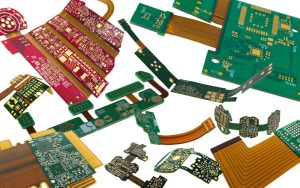
As the world moves toward a more connected and digital society, flexible electronic designs are becoming increasingly popular. These types of designs are enabling new innovations that improve our lives in many ways. These innovations range from medical treatment to fitness tracking and more. rigid flex pcb are an essential part of these technological advancements and can be found in a wide array of products from consumer electronics to sophisticated military/defense systems.
Can Rigid Flex PCBs Be Used In Wearable Technology?
Traditional rigid PCBs no longer fully meet the design requirements for most complex electronic devices. This is why designers are turning to rigid-flex PCBs to ensure that their device meets their specific requirements and performs optimally. Rigid-flex PCBs are comprised of both rigid and flex sections, and they go through a similar manufacturing process to rigid PCBs. Depending on the design, the flex section can be either single- or double-sided. This type of PCB is also typically populated with surface-mounted components instead of through-hole ones.
The cost of a rigid-flex PCB can vary depending on the amount of copper used and other special requests like adding what is known as stiffener to specified areas of the flex. Stiffener is a rigid material (usually FR4) added to the flex area in order to increase overall thickness and make the board more robust.
Another way to reduce the cost of a rigid-flex PCB is to minimize the number of layers, use smaller traces, and choose higher quality materials. These steps can significantly reduce the price of the finished product without sacrificing quality.
Rigid-flex circuit boards are a great choice for wearable technology because they can be bent, folded, and flexed to accommodate the shape of a device. They also offer resistance to moisture, chemicals, and vibrations. In addition, they can be assembled quickly and easily, which can reduce production time and costs.
When choosing a manufacturer for your rigid-flex PCBs, you want to work with a company that has experience designing and manufacturing these types of boards. This will help you avoid costly errors and make sure that your final product is of the highest possible quality.
If you’re in the market for a rigid-flex PCB, contact Hemeixin Electronics today for more information or to get a quote! Our team is dedicated to facilitating engineers and their device designs, so you can rest assured that your project will be in good hands.


