
How does Printed circuit board assembly companies contribute to cost reduction?
Printed circuit board assembly companies contribute to cost reduction
Printed circuit board (PCB) assembly companies play a crucial role in contributing to cost reduction across various industries. As electronic devices become more ubiquitous and complex, there is a growing emphasis on optimizing manufacturing processes and minimizing production costs. PCB assembly companies contribute to cost reduction through several key strategies, including efficient manufacturing processes, material optimization, supply chain management, and value engineering initiatives.
One of the primary ways in which PCB assembly companies contribute to cost reduction is through the implementation of efficient manufacturing processes. By investing in advanced automation technologies, lean manufacturing principles, and process optimization initiatives, companies can streamline production workflows, reduce cycle times, and minimize waste. Automated assembly equipment, such as pick-and-place machines and reflow soldering systems, increase throughput and improve efficiency, ultimately lowering manufacturing costs per unit.
Moreover, printed circuit board assembly companies focus on material optimization to reduce costs without compromising quality or performance. By selecting cost-effective materials, leveraging bulk purchasing agreements, and minimizing material waste, companies can achieve significant savings in production costs. Additionally, PCB assembly companies work closely with customers to identify opportunities for material substitution or consolidation, eliminating unnecessary components and reducing bill of materials (BOM) costs.
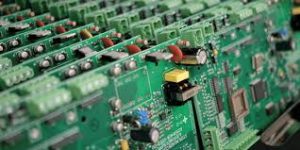
How does Printed circuit board assembly companies contribute to cost reduction?
Furthermore, supply chain management plays a critical role in cost reduction for PCB assembly companies. By establishing strategic partnerships with reliable suppliers, negotiating favorable pricing agreements, and implementing efficient inventory management practices, companies can minimize procurement costs and ensure timely availability of components and materials. Additionally, proactive risk management and mitigation strategies help companies navigate supply chain disruptions and minimize the impact of unforeseen events on production schedules and costs.
In addition to manufacturing processes and supply chain management, PCB assembly companies engage in value engineering initiatives to identify and eliminate inefficiencies in product design and manufacturing. Value engineering involves analyzing product specifications, performance requirements, and cost drivers to identify opportunities for cost optimization. By optimizing designs for manufacturability (DFM) and assembly (DFA), companies can reduce material usage, simplify assembly processes, and minimize production costs while maintaining or improving product quality and performance.
Moreover, PCB assembly companies leverage economies of scale and volume production to achieve cost reduction benefits. By consolidating production volumes, standardizing manufacturing processes, and optimizing production schedules, companies can achieve lower per-unit production costs. Additionally, PCB assembly companies offer value-added services such as design optimization, prototyping, and testing, helping customers streamline product development cycles and reduce time-to-market, ultimately contributing to cost reduction initiatives.
Furthermore, PCB assembly companies invest in continuous improvement and innovation to drive cost reduction efforts. By fostering a culture of innovation, encouraging employee involvement, and investing in research and development, companies can identify and implement new technologies, processes, and best practices that drive efficiency and reduce costs. Additionally, ongoing training and education programs ensure that employees remain up-to-date with the latest advancements in manufacturing and technology, enabling them to contribute to cost reduction initiatives effectively.
In conclusion, Printed circuit board (PCB) assembly companies play a critical role in contributing to cost reduction across various industries through efficient manufacturing processes, material optimization, supply chain management, value engineering initiatives, economies of scale, and continuous improvement efforts. By leveraging these strategies, companies can achieve significant savings in production costs while delivering high-quality products that meet customer requirements and market demands. Cost reduction initiatives not only enhance competitiveness and profitability but also drive innovation and sustainability in the electronics industry.