
Innovations in Quick Turn Printed Circuit Boards
Quick Turn Printed Circuit Boards
In the fast-paced world of electronics, innovation is a constant pursuit. Technology trends come and go in the blink of an eye, and electrical engineers must continually push their designs forward to keep pace. Quick turn printed circuit boards are the silent enablers of this process, providing a way to rapidly execute new ideas and get them into production in record time. However, rapid turnaround times should not mean sacrificing quality standards. This section highlights the importance of advanced quality control systems, efficient testing protocols, and real-world examples that show how quality can be maintained under tight deadlines.
The first consideration to keep in mind is the importance of using standard materials for quick turn printed circuit boards. This ensures that the design meets basic manufacturing requirements and is less likely to experience any problems during the fabrication process. It also helps to reduce the overall cost of the finished product. In addition, selecting a material that is easily recyclable reduces the environmental impact of the finished product.
Another way to lower costs is by implementing automation and efficiency into the manufacturing process. This can include a variety of techniques, from automated assembly lines to AI-powered quality control. These innovations can significantly reduce labor costs, which are a major component of the overall cost of production.
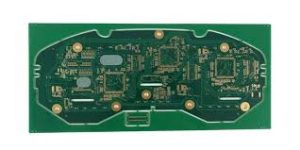
Innovations in Quick Turn Printed Circuit Boards
In addition, leveraging the economies of scale associated with bulk purchasing can further lower material costs. This is particularly true when ordering large quantities of the same type of board, as it may be possible to negotiate a better price with suppliers.
It is important to keep in mind that rapid turnaround times can impact the final cost of a product. In order to balance this, it is important to consider the total cost of a project, including any potential rework or redesign costs. In some cases, these costs can outweigh the initial premium cost of quick-turn PCBs.
The key to successful rapid-turn PCB production is planning ahead. This includes carefully reviewing the bill of materials (BOM) to ensure that all parts are in stock and available for production. It is also a good idea to limit the number of layers in the design, as this can reduce fabrication steps and help to improve manufacturability. In addition, avoiding features like via stitching and complex traces can also help to speed up the production process. Finally, it is important to collaborate with your supplier early to discuss any potential delays in the supply chain.
This will allow them to adjust the production schedule accordingly, ensuring that your deadlines are met. By utilizing the right materials, processes, and inspection techniques, you can achieve a high-quality final product in a short amount of time. This is how the best PCB manufacturers do it, and why they are able to deliver on their promise of fast, reliable service. Contact Epec Engineered Technologies today to find out how they can help you meet your PCB production needs.